The Power of Presence in the Classroom
In today’s classrooms, children and educators alike are navigating a world filled with constant stimulation and stress. Amid academics, social pressures, and emotional challenges, mindfulness offers a simple yet profound solution — a way to pause, breathe, and reconnect. Through mindfulness, breathwork, meditation, and gentle movement, we nurture emotional balance, resilience, and compassion — qualities that support learning and life beyond the classroom.
Why Mindfulness Matters in Education
Mindfulness isn’t just about quieting the mind; it’s about building awareness. When students learn to notice their breath, their feelings, and their thoughts without judgment, they begin to understand themselves better. This self-awareness is the foundation of social-emotional learning (SEL) — helping children develop empathy, regulate emotions, and make thoughtful decisions.
As a certified elementary school teacher, I’ve spent years teaching in the classroom and now continue to work in schools teaching mindfulness, yoga, meditation, and breathwork to children. I’ve seen firsthand how these practices create transformation — not only are children thriving in their emotional and social growth, but they’re bringing mindfulness home to their families. Parents often share stories of children teaching them how to breathe when stressed, or how they use mindfulness before a test to calm their minds and focus. These simple tools ripple outward, nurturing calmer homes, kinder classrooms, and more confident learners.
One of my students recently asked, ‘Can we have a mindfulness or meditation class before our test? It helps me focus and not feel so anxious so I can do better.’ Moments like this remind me that mindfulness isn’t just a classroom practice — it’s a life skill that empowers children to approach challenges with calm and confidence.
Another time, a group of students asked if we could have more than one yoga class a week. When I asked why, one of them said, ‘Because it helps me move things out — it helps my body feel lighter.’ That awareness — that deep knowing that movement, meditation, and mindfulness help them release what they’re carrying — says so much about the emotional landscape children navigate today. Between academic pressures, social challenges, and the mental and emotional weight many hold from trauma or daily stress, they instinctively recognize what they need.
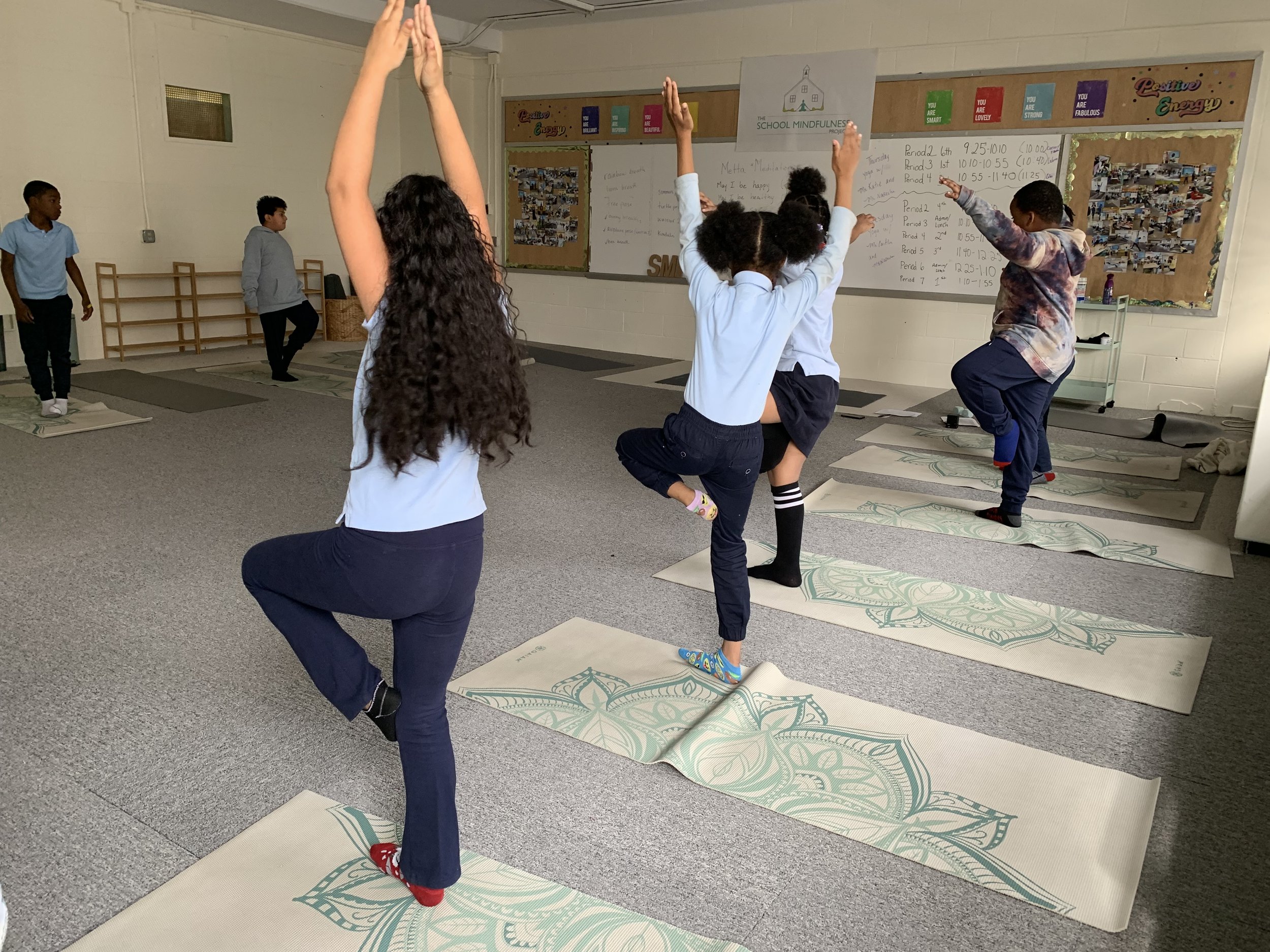
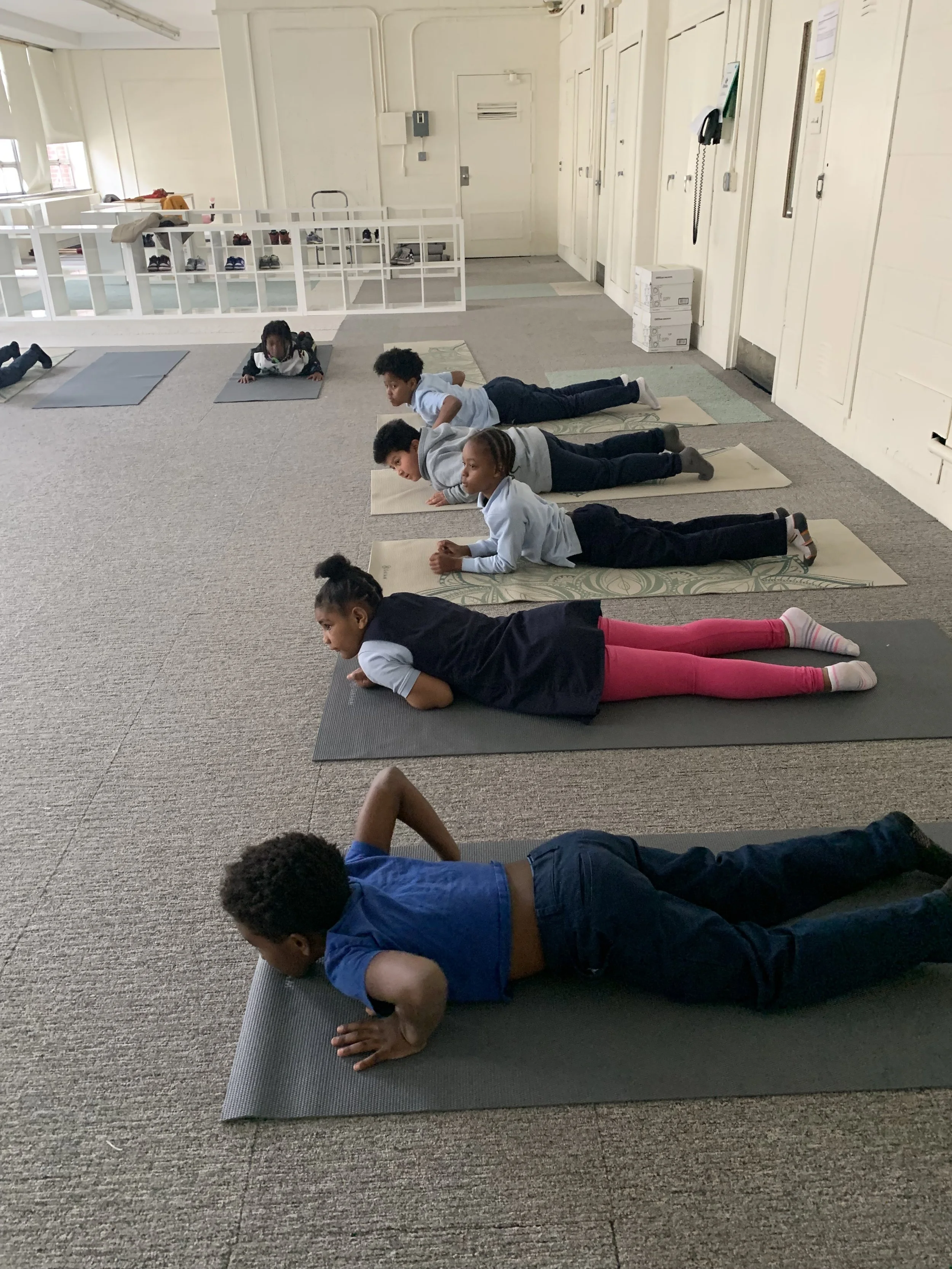
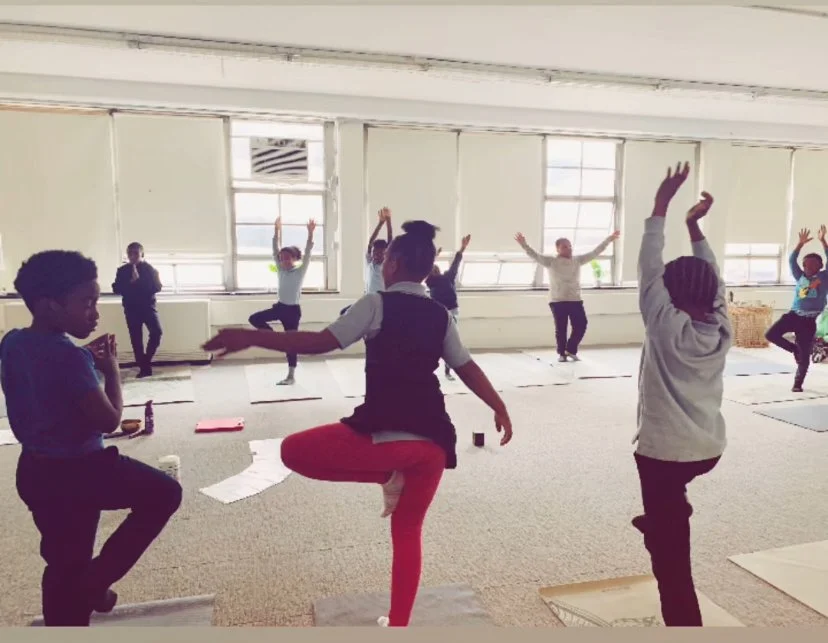
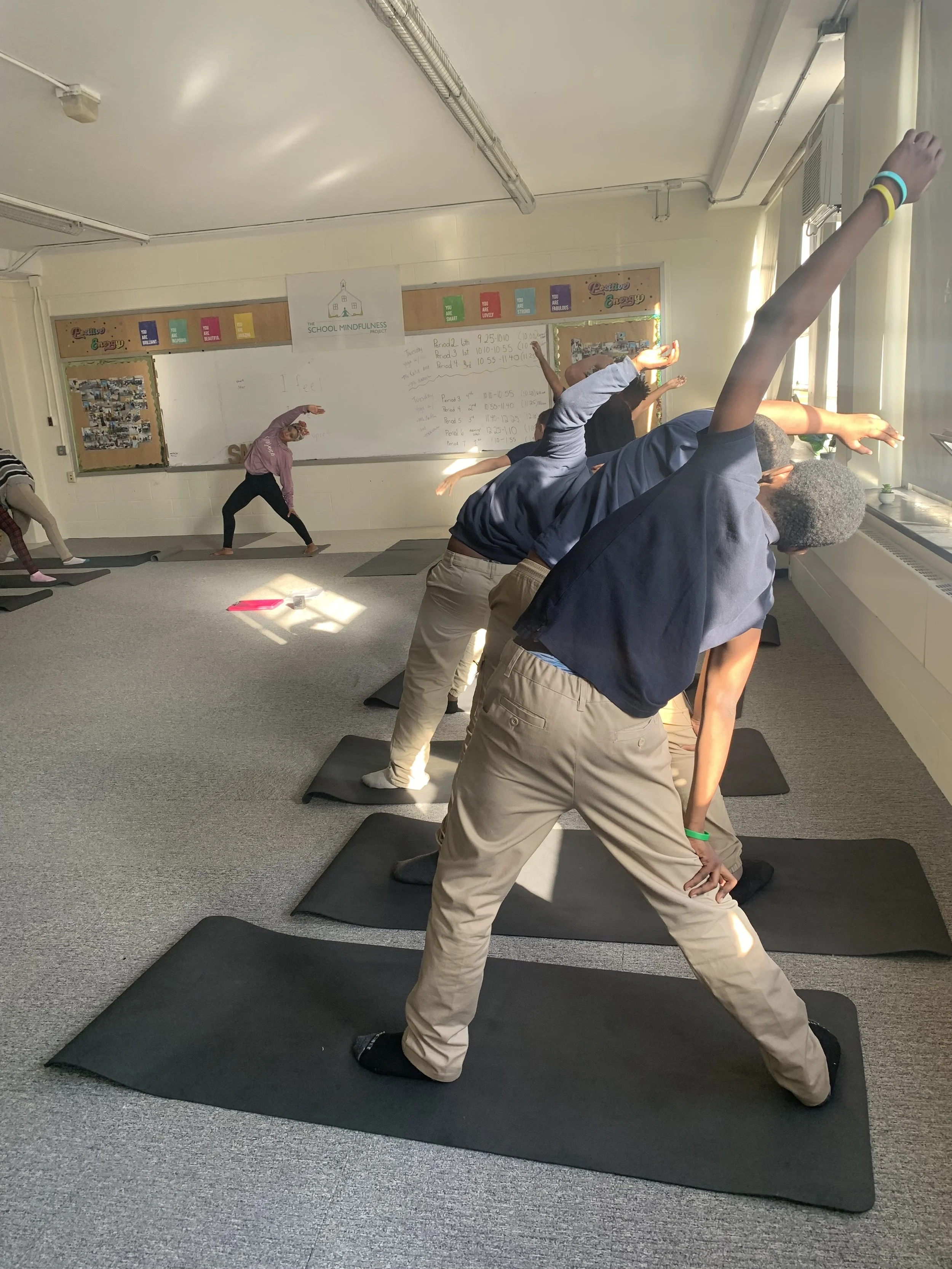
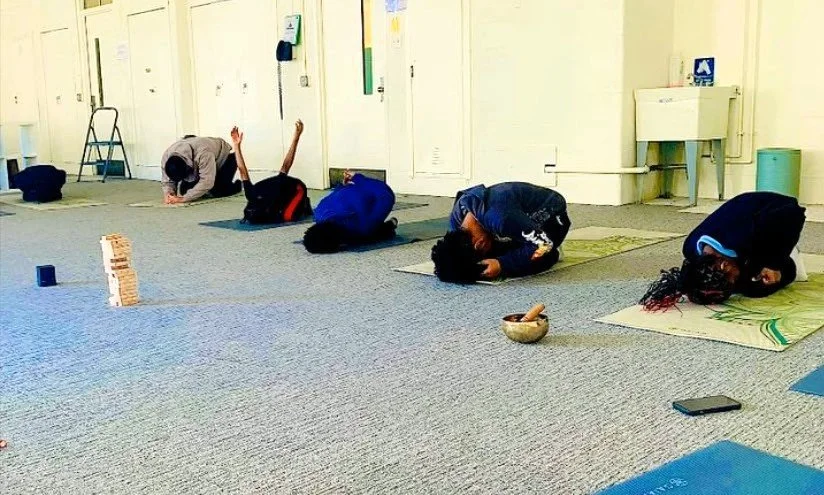
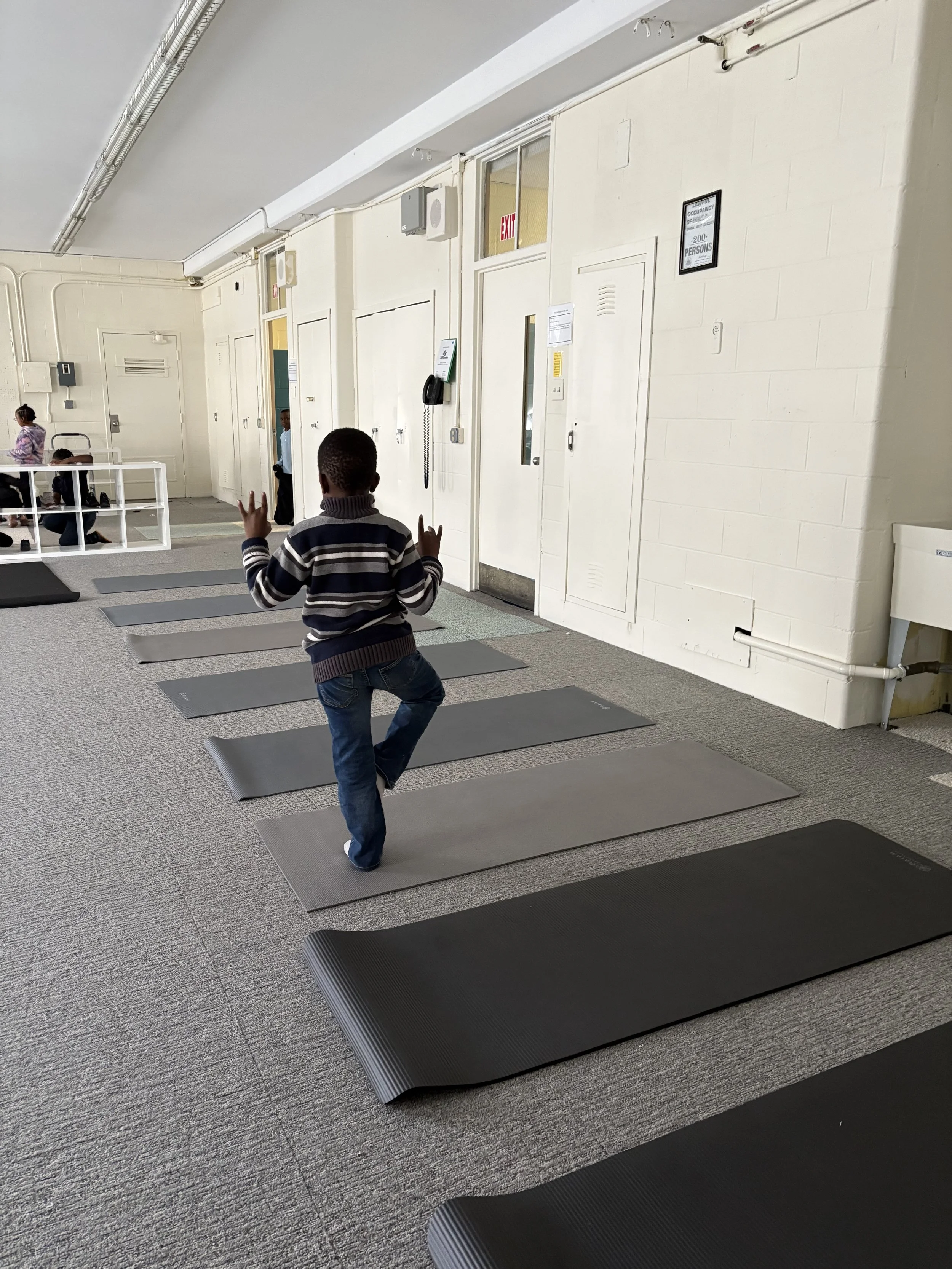
Children of all ages need movement. Movement helps free their minds and clear their thoughts sothey can focus. The mindful stretching, breathwork, and yoga we practice not only support emotional balance but also strengthen their physical well-being — improving flexibility, coordination, and posture. For many, sitting at desks all day can tighten the body and affect how they feel about themselves. Through yoga, they begin to move more freely, stand taller, and build confidence in their bodies. We talk about posture — how we hold ourselves as we walk, how we carry our energy, and how standing tall can help us feel strong, calm, and capable both inside and out.
The Power of Journaling and Reflection
Journaling is another gentle yet powerful tool that complements mindfulness, meditation, and movement. Writing allows children to release thoughts and feelings that might otherwise stay trapped in their minds or bodies. It becomes a safe space to process emotions, reflect on experiences, and find clarity.
For younger children, this might look like drawing their feelings or responding to a simple prompt with words and images. In older grades, it may evolve into journaling meditations — quiet moments where students pause, breathe, and write from the heart after reflecting on a guiding question such as, ‘What makes me feel calm?’ or ‘What do I need to let go of today?’
These practices help students recognize their inner voice, honor their emotions, and create a healthy outlet for self-expression and healing. Over time, journaling and creative reflection can support emotional release, reduce anxiety, and help build confidence and self-awareness. Movement, Meditation, and Stillness as Emotional Tools.
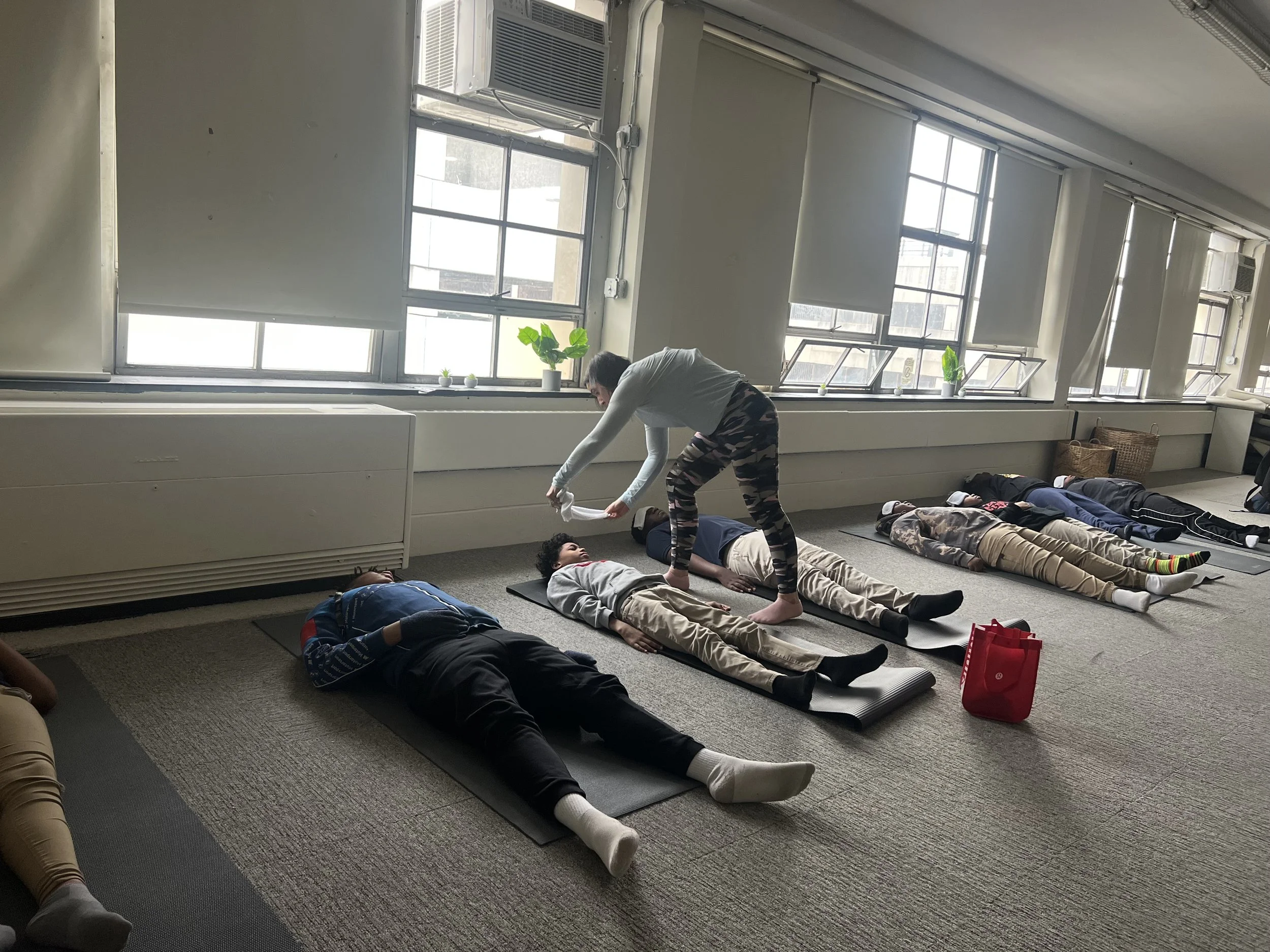
Yoga and meditation give students safe ways to move through emotions and find stillness in their bodies. Through mindful movement, gentle stretches, breathwork, and short guided meditations, children learn to self-regulate. Practices like ‘balloon breathing,’ ‘mountain pose,’ or a few moments of seated meditation can shift energy, promote calm, and bring the class back into harmony.
As both an educator and yoga instructor, I’ve witnessed firsthand how even a few mindful minutes can transform a classroom. The energy shifts. The students smile. The teacher breathes again.
Mindful Practices in Action
Integrating mindfulness, yoga, breathwork, and meditation into SEL lessons can be simple:
• Begin the day with a grounding breath.
• Use mindful check-ins to help students name emotions.
• Introduce short movement or breath breaks to refocus attention.
• End with a few moments of stillness, journaling, or gratitude.
These small practices plant seeds of awareness, compassion, and self-control — life skills that extend beyond the classroom walls.
Extending Mindfulness to the Whole School Community
Just as our students benefit from these mindful practices, so do the educators, staff, and administrators who care for them. The need for mindfulness, meditation, breathwork, and yoga extends to everyone in the school community. Teachers and staff often carry immense responsibility and emotional weight, balancing the needs of their students with their own well-being.
Offering mindfulness-based workshops, after-school sessions, or professional development daysgives educators a space to pause, reset, and reconnect — not only with themselves, but with one another. When the adults in a school practice mindfulness, it creates a ripple effect that supports calm, compassion, and emotional balance across the entire community.
Creating a Culture of Calm
By bringing mindfulness, meditation, and yoga into our schools, we’re not just teaching children to stretch or breathe — we’re teaching them to be present, kind, and resilient. When educators model mindfulness, it ripples through the classroom, the community, and ultimately, our future.
“When we teach children to pause and breathe, we give them the greatest gift — the power to respond to life, rather than react to it.”